

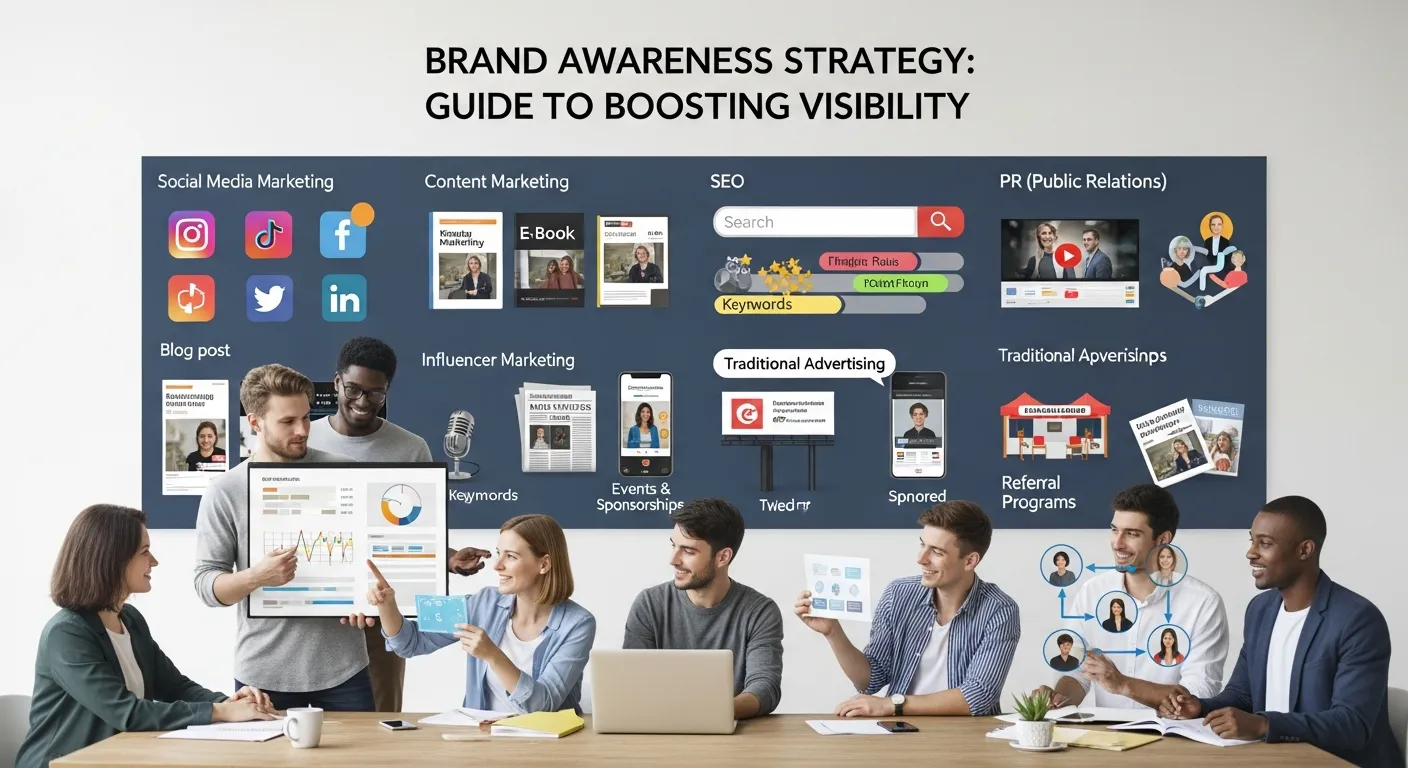
This guide breaks down exactly how to develop a brand awareness strategy that drives results. You will discover actionable tactics, proven content distribution methods, tools to measure success, and common pitfalls to avoid while turning unfamiliar prospects into loyal brand advocates.
Standing out requires more than a great product. A powerful brand awareness strategy puts your business in front of the right audience and builds lasting trusty.
Understanding the Core of a Brand Awareness Strategy
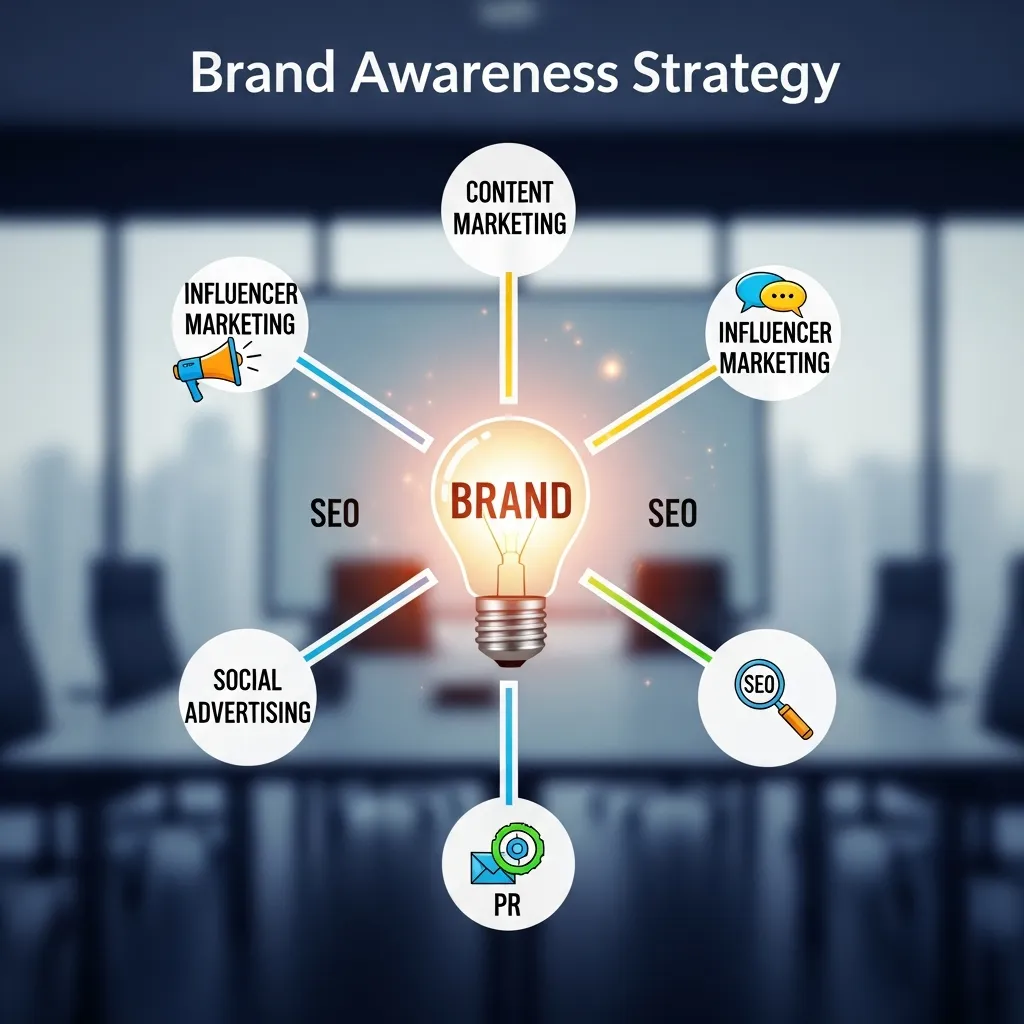
When consumers recognize your logo, remember your tagline, or actively search for your company name, you possess strong brand awareness. However, achieving this level of recognition does not happen by accident. It requires a deliberate, well-documented brand awareness strategy. This strategy serves as your master plan for making your business memorable to your target market.
Many businesses confuse brand awareness with direct response marketing. Direct response focuses on immediate conversions, such as clicking an ad to buy a product. A brand awareness strategy focuses on the long game. It implants your business in the consumer’s mind so that when they eventually need your product or service, they think of you first.
Building this mental real estate requires consistent messaging, a distinct visual identity, and strategic placement across multiple channels. You want to move your audience from complete ignorance of your brand to brand recognition (knowing who you are when they see your logo), and finally to brand recall (thinking of your company spontaneously when a specific need arises).
Why Every Business Needs a Documented Brand Awareness Strategy

Familiarity breeds trust, and trust drives revenue. Consumers naturally gravitate toward companies they recognize. When faced with two identical products, a buyer will almost always choose the product from the brand they know.
Developing a robust brand awareness strategy provides several distinct advantages:
- Decreased Customer Acquisition Costs: When people already know your brand, you do not need to spend as much money convincing them to click your ads or visit your website. They actively seek you out, lowering your overall marketing expenses.
- Increased Market Share: A recognizable brand commands authority. As your visibility grows, you naturally capture a larger portion of your target market.
- Pricing Power: Highly recognizable brands can charge a premium. Customers perceive well-known brands as safer, more reliable options, and they gladly pay more for that peace of mind.
- Higher Advertising Click-Through Rates: Users click on ads from familiar brands much more frequently than ads from unknown entities. This improves your ad quality scores and lowers your cost-per-click.
To maximize these benefits, you must integrate your awareness efforts with a solid content marketing plan that delivers continuous value to your readers.
Step-by-Step Guide to Building Your Brand Awareness Strategy
Creating a recognizable identity requires a systematic approach. Follow these foundational steps to build a brand awareness strategy that resonates with your ideal buyers.
Step 1: Define Your Target Audience
You cannot make everyone aware of your brand, nor should you try. Trying to reach everyone dilutes your message and wastes your budget. Instead, focus your brand awareness strategy on the specific group of people most likely to buy your product.
Start by creating a detailed buyer persona map. Document your ideal customer’s demographics, challenges, goals, and preferred content consumption habits. Do they spend their time reading industry reports on LinkedIn, or do they watch short-form videos on TikTok? Understanding where their attention currently lives tells you exactly where you need to show up.
Step 2: Establish a Distinct Brand Identity
If you want people to remember you, you must give them something memorable to hold onto. Your brand identity encompasses your visual elements (logo, color palette, typography) and your brand voice (tone, personality, messaging).
Consistency is the most critical factor here. If your website features a highly professional, corporate tone, but your social media accounts use slang and memes, you will confuse your audience. A successful brand awareness strategy demands strict adherence to brand guidelines across every single touchpoint. Whether a customer reads an email, visits your website, or sees a billboard, the experience should feel unified.
Step 3: Map Out Your Content Distribution
Great content cannot build awareness if nobody sees it. You need a distribution model that pushes your brand into the spaces your audience occupies.
Identify the primary channels you will use to broadcast your message. This might include organic search, paid social media advertising, email newsletters, or podcast sponsorships. Your distribution tactics must align with your audience research. If your buyers rely heavily on search engines to solve their problems, implementing SEO best practices should form the core of your brand awareness strategy.
Proven Tactics to Boost Brand Recognition
With your foundation established, you can deploy specific tactics to increase your visibility. Here are the most effective methods for generating organic and paid awareness.
Leverage Organic Social Media and Influencers
Social media platforms offer unparalleled access to vast audiences. However, simply posting promotional graphics will not build awareness. You must create content that educates, entertains, or inspires your audience. Adhere strictly to social media marketing guidelines to ensure your posts encourage shares, comments, and saves.
Partnering with influencers accelerates this process. Influencers have already built trust with their followers. When they recommend your brand, they transfer some of that trust to you. Focus on micro-influencers (those with 10,000 to 50,000 followers) in your specific niche. They typically boast higher engagement rates and charge lower fees than massive celebrities. According to data published by the Content Marketing Institute, audiences trust niche experts significantly more than general celebrities.
Invest in High-Quality Content Marketing
Content marketing remains one of the most reliable ways to execute a brand awareness strategy. When you consistently publish high-quality blog posts, videos, or research reports that solve your audience’s problems, you position your brand as an industry authority.
When users search for answers and repeatedly find your brand providing the solutions, they begin to associate your company with expertise. To succeed here, focus on creating non-promotional, educational assets. A helpful how-to guide builds much more awareness than a self-serving press release.
Launch Referral and Loyalty Programs
Your existing customers are your best marketers. A satisfied customer telling their friend about your product carries more weight than any advertisement you could run.
Incentivize this word-of-mouth marketing by creating a formal referral program. Offer your current customers discounts, free products, or account credits when they successfully refer a new buyer. This turns your customer base into a dedicated marketing team, spreading your brand awareness strategy organically through their personal networks.
Utilize Strategic Partnerships
Collaborating with non-competing businesses that share your target audience is a highly effective tactic. For example, a company that sells premium coffee beans might partner with a manufacturer of high-end espresso machines.
You can host joint webinars, co-author comprehensive industry reports, or run shared social media giveaways. Both brands benefit by gaining direct access to the other’s loyal audience, instantly doubling their visibility.
Tools to Manage and Measure Your Brand Awareness Strategy
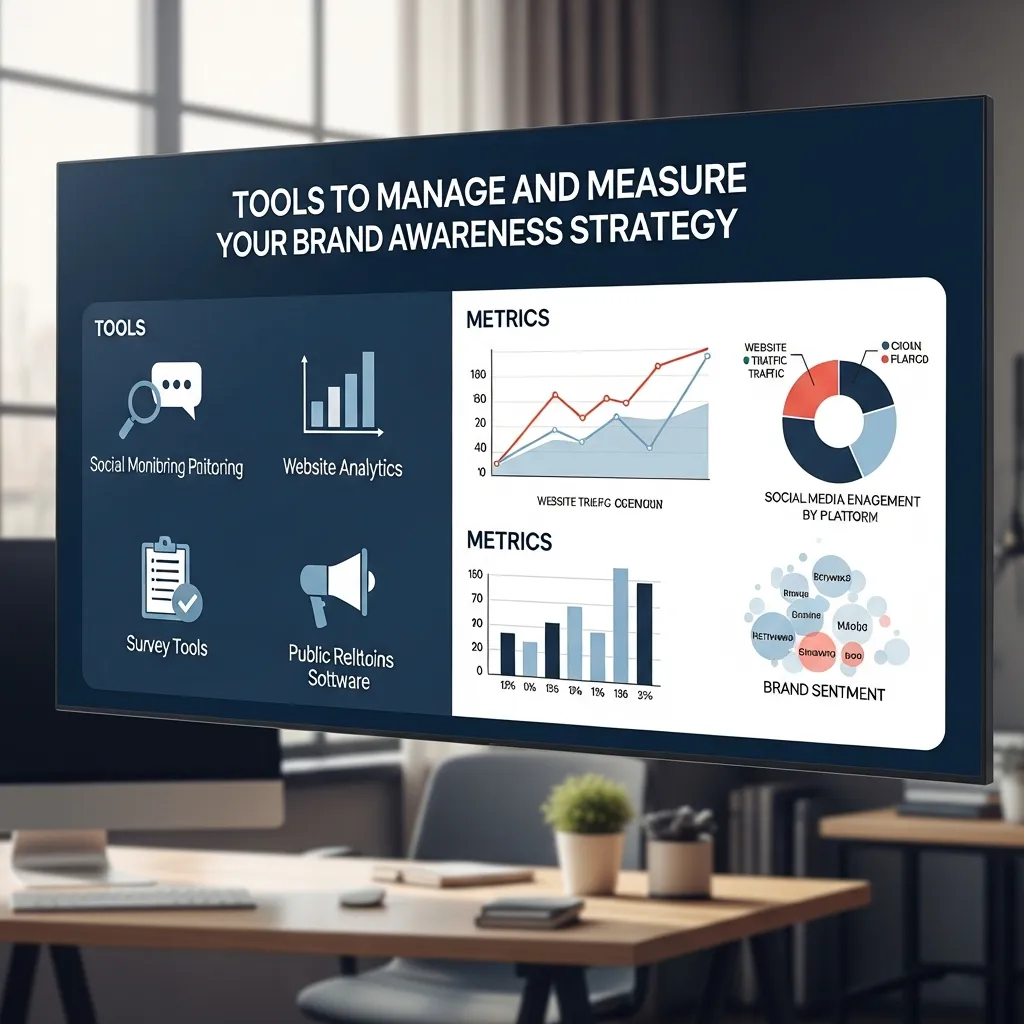
Executing a complex brand awareness strategy requires the right technology. You need tools to schedule content, monitor brand mentions, and track the impact of your efforts.
|
Tool Name |
Primary Function |
Best Used For |
|---|---|---|
|
Google Analytics 4 |
Web Traffic Tracking |
Measuring direct traffic and overall website visitor growth. |
|
Mention |
Social Listening |
Tracking brand name mentions across social media and blogs. |
|
Ahrefs |
SEO & Backlink Analysis |
Monitoring branded search volume and organic keyword growth. |
|
Sprout Social |
Social Media Management |
Scheduling posts and analyzing social engagement metrics. |
|
Typeform |
Market Research |
Running brand recall and customer awareness surveys. |
Using these tools in tandem provides a comprehensive view of your brand’s footprint. For instance, Sprout Social provides excellent data on social share of voice, helping you understand exactly how often your brand is discussed compared to your competitors.
Common Mistakes to Avoid in Brand Awareness
Even experienced marketers stumble when executing a brand awareness strategy. Avoid these common pitfalls to ensure your budget generates maximum return.
Expecting Immediate Sales
Brand awareness is a top-of-funnel activity. The goal is to build familiarity, not to close a sale on the first interaction. If you judge your brand awareness strategy solely by immediate conversion rates, you will mistakenly conclude that the campaign failed. Track metrics like reach, impressions, branded search volume, and social engagement instead.
Inconsistent Visuals and Messaging
If you frequently change your logo colors, alter your brand voice, or jump between conflicting marketing messages, your audience will never remember you. Repetition and consistency build memory. Stick to your brand guidelines rigorously.
Ignoring the Power of Social Proof
Consumers trust other consumers. If your brand awareness strategy relies entirely on branded advertisements and ignores user-generated content, customer reviews, or case studies, you will struggle to build trust. Highlight your happy customers frequently.
Pro Tips and Expert Insights for Long-Term Success
To elevate your brand awareness strategy, implement these advanced insights used by top-tier marketing teams.
- Focus on Share of Voice (SOV): Do not just measure your own growth; measure your growth relative to your competitors. Share of voice calculates what percentage of the total industry conversation centers around your brand. Increasing your SOV is a primary indicator of a successful brand awareness strategy.
- Optimize for AI Search: Search is evolving. AI-powered search engines and chatbots pull information from highly authoritative sources. To ensure these AI tools mention your brand, you must actively publish original research, secure mentions on authoritative websites, and maintain a pristine digital footprint.
- Tell a Compelling Brand Story: Facts tell, but stories sell. Wrap your brand awareness strategy around a narrative. Explain why you started the company, highlight the specific problems you want to solve for the world, and showcase the human beings behind your logo. A strong narrative makes your brand instantly more relatable and memorable.
- Repurpose Your Best Content: Do not let a great piece of content die after one week. If you publish a highly successful research report, break it down into a ten-part email series, create five short-form videos for social media, and design an infographic for Pinterest. This maximizes your visibility without requiring you to constantly create net-new ideas.
Integrating Awareness with Overall Marketing
A brand awareness strategy cannot operate in isolation. It must seamlessly connect to the middle and bottom of your marketing funnel.
Once your awareness campaigns successfully capture a user’s attention, you need systems in place to nurture that relationship. When a prospect visits your website after seeing a brand awareness video, offer them a valuable lead magnet in exchange for their email address. Use automated email sequences to educate them further about your specific solutions.
Continuously analyze your data. If your brand awareness strategy drives massive traffic but zero eventual conversions, you are likely targeting the wrong audience or failing to clearly articulate your value proposition. By monitoring the entire customer journey, you can refine your messaging, optimize your distribution channels, and ensure your awareness efforts ultimately contribute to sustainable business growth.
Conclusion
Building recognition is the most crucial step in securing long-term business growth. By executing a deliberate brand awareness strategy, you position your company as a trusted authority in the minds of your target audience. Define your buyers clearly, maintain absolute consistency in your messaging, distribute high-quality content relentlessly, and measure your progress using the right metrics. Start implementing these steps today to transform your invisible business into an unforgettable brand.
FAQs
1. What exactly is a brand awareness strategy?
A brand awareness strategy is a comprehensive, documented plan designed to increase the visibility of your business and ensure your target audience recognizes and remembers your brand. It involves consistent messaging, visual identity, and strategic content distribution across multiple channels.
2. How do I measure the success of my brand awareness strategy?
You measure success by tracking top-of-funnel metrics. Look at increases in direct website traffic, branded search volume (people searching for your exact company name), social media reach, brand mentions across the web, and your overall share of voice compared to competitors.
3. How long does it take to see results from a brand awareness strategy?
Building authentic brand recognition takes time. While a viral video might cause a temporary spike, building sustainable, long-term awareness generally requires three to six months of consistent effort before you see significant changes in direct traffic and branded search volume.
4. Can small businesses afford a brand awareness strategy?
Absolutely. While large corporations use expensive television ads, small businesses can build awareness through cost-effective organic methods. Publishing high-quality blog content, engaging actively on social media, and utilizing local SEO are highly effective and require time rather than massive financial budgets.
5. What is the difference between brand recognition and brand recall?
Brand recognition means a consumer can correctly identify your brand when they see your logo or colors. Brand recall is much stronger; it means a consumer spontaneously thinks of your brand first when they realize they need a product or service in your industry.
6. Why is consistency so important in branding?
Consistency builds memory. If your brand looks and sounds different on your website, your social media, and your packaging, consumers will not form a cohesive mental image of your company. Consistent repetition is required to anchor your brand in the consumer’s mind.
7. How does content marketing improve brand awareness?
Content marketing improves awareness by providing value to your audience before they are ready to buy. When you consistently publish articles or videos that answer their questions, you establish your brand as a helpful industry authority, which builds both visibility and trust.
8. Should I use paid advertising for brand awareness?
Yes, paid advertising accelerates your brand awareness strategy. Using display ads, sponsored social media posts, and video ads allows you to guarantee placement in front of your specific target audience, ensuring faster visibility than relying on organic methods alone.
9. How do partnerships help build brand awareness?
Strategic partnerships allow you to tap into another company’s established, trusting audience. By collaborating on a project or co-hosting an event with a non-competing brand in your industry, you instantly expose your business to a massive group of highly relevant potential customers.
10. What role do influencers play in a brand awareness strategy?
Influencers act as trusted intermediaries between your brand and their followers. When an influencer authentically recommends your product, their audience pays attention. This tactic rapidly increases your visibility and transfers the influencer’s established credibility directly to your brand.
