

Introduction
In today’s digital landscape, SMS marketing has become a pivotal tool for businesses aiming to engage customers in real time. With open rates soaring above 90% and most recipients reading texts within minutes, brands can leverage this channel to deliver time-sensitive promotions, appointment reminders, or personalized offers that drive immediate action. Unlike email, which often faces crowded inboxes and delayed responses, SMS messages land directly on devices that many people carry everywhere. This year (2026), marketers are prioritizing concise, relevant, and permission-based campaigns that respect subscriber privacy and maximize return on investment.
Crafting an effective SMS marketing program requires more than sending bulk texts. It involves thoughtful planning, clear goal setting, careful segmentation, and consistent testing. By understanding the unique strengths and limitations of text messaging, businesses can design campaigns that capture attention without overwhelming audiences. From writing compelling copy within a 160-character limit to automating sequences based on customer behavior, every step plays a crucial role in ensuring success.
In this comprehensive guide, we will explore the foundations of SMS marketing—from establishing objectives and building a qualified subscriber list to crafting messages that convert and adhering to regulatory requirements. Along the way, we’ll reference authoritative sources like the Federal Trade Commission and the European GDPR portal to ensure compliance. Whether you’re launching your first campaign today or optimizing an existing program, these insights will help you engage prospects, foster loyalty, and drive measurable results.
Understanding the Power of SMS Marketing

SMS marketing stands out because it combines immediacy with intimacy. When a message arrives, it appears alongside personal conversations, making it more likely to be read. Industry data shows that consumers open more than 90% of text messages within three minutes, compared to roughly 20% of marketing emails that are opened at all. This near–instant delivery is invaluable for flash sales, limited-time offers, or important reminders.
Moreover, the concise nature of SMS forces marketers to craft clear and focused copy. With only 160 characters available per message, every word must work harder to communicate value. This brevity helps cut through the clutter of email and social media, allowing brands to convey one core idea and a strong call to action. Whether prompting a click to a sale page or confirming an appointment, simplicity drives higher engagement.
Beyond open rates, SMS marketing also supports excellent click-through and conversion metrics. Because subscribers have explicitly opted in, they often view messages as more relevant and trustworthy. Surveys conducted by Pew Research Center confirm that consumers appreciate brands that send personalized, permission-based texts rather than generic blasts. In short, SMS marketing harnesses the power of direct reach and relevance to deepen customer relationships and accelerate purchasing decisions.
Strategizing Your SMS Campaigns for Maximum Impact
Every successful SMS marketing effort begins with clearly defined goals. Are you aiming to boost online sales, reduce cart abandonment, promote events, or enhance customer loyalty? Identifying objectives upfront allows you to select the right key performance indicators (KPIs)—such as click-through rate (CTR), conversion rate, and average order value (AOV)—to measure success.
Once goals are in place, focus on building a permission-based subscriber list. Integrate opt-in forms at multiple touchpoints, including website landing pages, checkout workflows, social media profiles, and in-store kiosks. To incentivize sign-ups, offer exclusive discounts, early access to sales, or loyalty points. Be transparent about message frequency and purpose, ensuring customers understand the value exchange and can provide informed consent.
Segmenting your audience early in the process can dramatically improve campaign performance. Collect data points like name, location, purchase history, and preferences to group subscribers into meaningful clusters. For example, new subscribers might receive a welcome series, while high-value customers get VIP deals. Segmentation enables targeted messaging that resonates more deeply than broad, one-size-fits-all texts.
Writing Compelling and Concise Text Messages
In SMS marketing, brevity is both a challenge and an advantage. With only 160 characters per message, your copy must deliver a compelling hook, a clear benefit, and a strong call to action. Begin with an engaging opener that references your brand or the offer: “Flash Sale: 25% off all sneakers today!” Directly follow up with the value and next step, such as “Shop now at example.com/sale.”
Include one primary call to action (CTA) per message to avoid confusion. Use dynamic links or URL shorteners to save characters and track click-throughs. Always add an opt-out option, such as “Reply STOP to unsubscribe,” to remain compliant with regulations like the TCPA and GDPR.
Maintain a conversational tone that aligns with your brand voice. Avoid industry jargon or overly formal language that can alienate recipients. Personal touches—such as addressing the subscriber by name or referencing their recent activity—can elevate engagement and foster loyalty.
Personalization and Segmentation Techniques
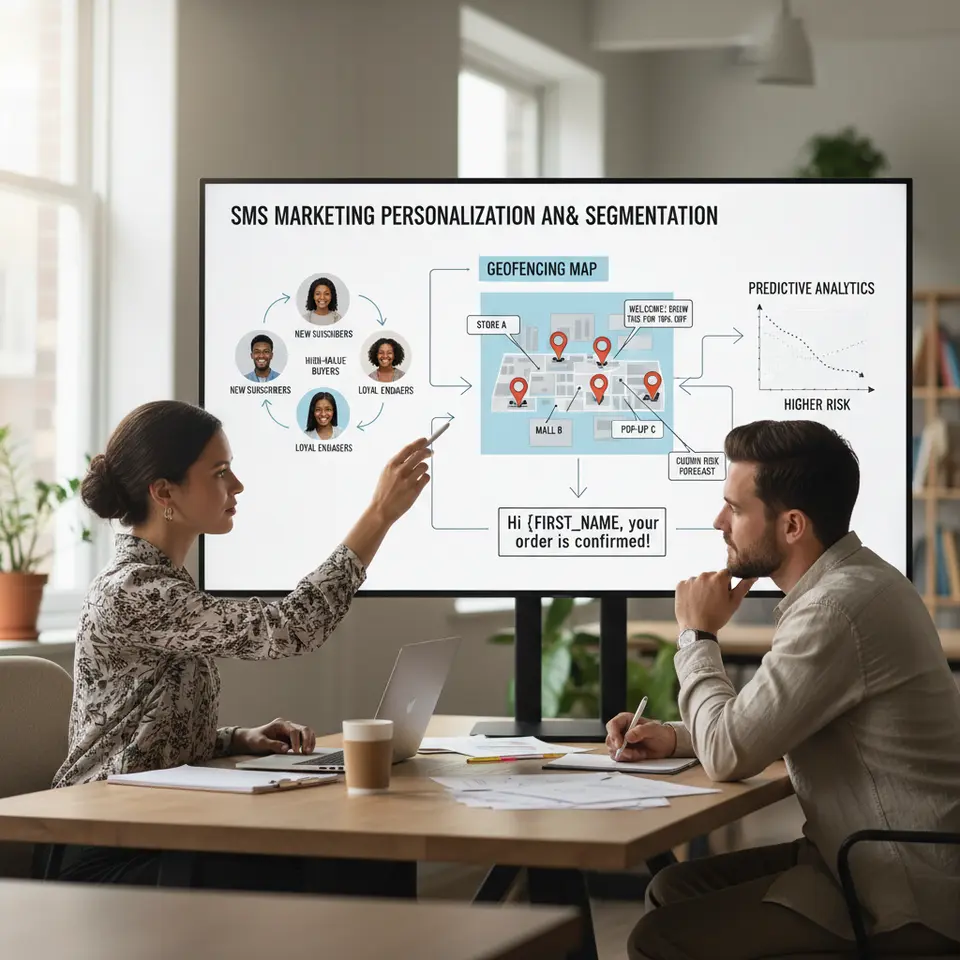
Generic SMS blasts rarely achieve compelling results. By leveraging customer data, brands can deliver more relevant, timely messages. Basic personalization includes inserting the subscriber’s name using dynamic fields: “Hi Sarah, your order is on its way!” Beyond that, segment audiences based on behavior—such as purchase history, browsing patterns, or location—and deliver tailored offers.
For instance, send abandoned cart reminders to shoppers who left items in their baskets without checking out. Craft loyalty rewards exclusively for high-spenders or repeat buyers. Use geofencing to trigger location-based messages when customers approach a physical store, inviting them to stop by for special in-store promotions.
Advanced segmentation might involve predictive analytics to anticipate customer needs and preempt churn. Machine-learning models can determine which subscribers are likely to become inactive, enabling you to deploy re-engagement sequences proactively. By combining data-driven insights with thoughtful message design, SMS campaigns can deliver dramatically higher ROI.
Ensuring Compliance and Best Practices
Adhering to regulations and respecting subscriber privacy are non-negotiable in SMS marketing. In the U.S., the Telephone Consumer Protection Act (TCPA) mandates prior written consent, clear opt-out instructions, and reasonable messaging windows—typically between 8 AM and 9 PM local time. Similarly, the GDPR in Europe requires explicit consent and robust data protection measures.
Maintain detailed records of opt-in timestamps and consent language. Store subscriber preferences in a secure database and honor opt-out requests immediately. Avoid sending marketing texts too frequently; aim for a cadence that adds value without causing annoyance. Periodically audit your processes and update your compliance framework based on guidance from authoritative sources like the Federal Trade Commission and national data protection agencies.
By prioritizing transparency, consent management, and respectful timing, you’ll foster trust with subscribers and protect your sender reputation. This diligence not only reduces legal risks but also enhances the effectiveness of your SMS marketing over time.
FAQ
What is SMS marketing?
SMS marketing is the practice of sending targeted text messages to customers and prospects who have opted in to receive updates. It’s used for promotions, reminders, alerts, and personalized offers to drive engagement and sales.
How do I build a quality subscriber list?
Offer clear incentives—like exclusive discounts or early product access—on opt-in forms placed across your website, social channels, and in-store displays. Ensure transparency about message frequency and provide easy consent to foster trust.
What regulations govern SMS marketing?
In the U.S., the TCPA requires prior written consent, clear opt-out methods, and restricted sending hours. In Europe, GDPR mandates explicit consent and strict data protection. Always document opt-ins and promptly honor unsubscribe requests.
When is the best time to send SMS messages?
Generally, send messages between 10 AM and 8 PM in the recipient’s local time zone. Avoid very early mornings or late nights. Test different timings based on your audience’s behavior and engagement patterns.
Conclusion
SMS marketing offers unparalleled immediacy and engagement when executed thoughtfully. By setting clear objectives, building a permission-based list, crafting concise and relevant messages, and adhering to compliance requirements, businesses can create campaigns that resonate with audiences and drive measurable results. Segmentation and personalization elevate performance, while automation ensures timely, consistent communication. In today’s digital landscape, integrating SMS marketing into your broader strategy is essential for staying connected with customers and maximizing ROI. Start applying these best practices today, test continuously, and refine your approach to make SMS marketing a cornerstone of your marketing mix.
