


In today’s digital landscape, businesses are continually seeking channels that deliver high engagement and instant reach. Among the available options, SMS Marketing stands out as a powerful tool to connect directly with consumers’ mobile devices. With text messages achieving open rates well above 90%, brands have a unique opportunity to deliver timely updates, promotional offers, and personalized alerts that drive action. This year (2026), savvy marketers are tapping into SMS campaigns to bolster customer loyalty, increase conversions, and establish real-time dialogue without overwhelming inboxes or social feeds.
This guide will explore every aspect of SMS Marketing, offering a step-by-step roadmap for launching, refining, and scaling text message initiatives. We’ll delve into the mechanics of list building, creative copywriting, compliance requirements, segmentation tactics, automation workflows, and performance analysis. By the end, you’ll have a clear understanding of how to craft messages that resonate with your audience, comply with regulations, and continuously improve results through data-driven insights.
Whether you operate a growing e-commerce shop, manage a B2B service, or oversee a loyalty program, this comprehensive resource is designed to help you navigate the nuances of text messaging campaigns. Let’s begin by examining the core principles that make SMS Marketing such a compelling channel for businesses today.
Throughout this exploration, real-world examples, data-backed insights, and expert tips will equip you with practical strategies you can implement immediately. By combining creativity with compliance, you’ll learn how to build trust, drive tangible results, and stay ahead of competitors. Let’s embark on this journey toward SMS Marketing excellence.
The Science Behind SMS Marketing Success
Unmatched Open and Response Rates
SMS Marketing achieves remarkable engagement because it reaches users in the most personal digital environment: their mobile phones. Studies show that more than 90% of messages are opened within minutes of receipt, creating an almost instantaneous connection between brand and consumer. This level of immediacy outpaces email and social media, where messages can become buried in crowded inboxes or feeds. For marketers, leveraging this direct line translates to faster feedback loops, rapid conversion opportunities, and amplified campaign impact.
Psychology of Immediate Communication
At its core, SMS Marketing taps into human behavior by delivering concise, action-oriented prompts that align with the way people consume information on the go. Short, focused texts cater to shrinking attention spans and leverage urgency to drive immediate decisions. For example, a limited-time discount code texted to subscribers encourages swift action, reducing decision fatigue and fostering a sense of exclusivity. This immediacy can elevate customer perception and reinforce brand responsiveness.
The appeal of SMS Marketing is further magnified by its seamless integration with other marketing channels. By syncing text campaigns with email newsletters, social media ads, and in-app notifications, brands can reinforce messages across multiple touchpoints. This unified approach ensures consistent branding and message reinforcement, increasing the chances that your promotion resonates with prospects who might have missed an email or social post. Additionally, integrating SMS with your customer data platform centralizes insights and streamlines campaign orchestration.
Data-Driven Optimization
Data analytics plays a pivotal role in ongoing optimization. By integrating your SMS platform with analytics dashboards—such as those found in popular SMS marketing tools—you can monitor delivery rates, click-throughs, and conversion metrics in real time. These insights enable marketers to adjust send times, tweak message length, and experiment with different call-to-action variants to discover what resonates most with specific audience segments. Leveraging A/B testing within these dashboards further refines your approach based on empirical evidence.
Emerging advances in predictive analytics are also shaping the future of SMS Marketing. Machine learning models can forecast which subscribers are most likely to engage based on historical behavior, enabling you to allocate resources efficiently. Predictive targeting minimizes wasted sends and maximizes ROI by focusing on high-propensity segments. As these technologies mature, marketers who adopt predictive frameworks will gain a competitive edge through more precise message timing and content relevance.
Building and Growing a Compliant Subscriber Base

Ethical Opt-In Best Practices
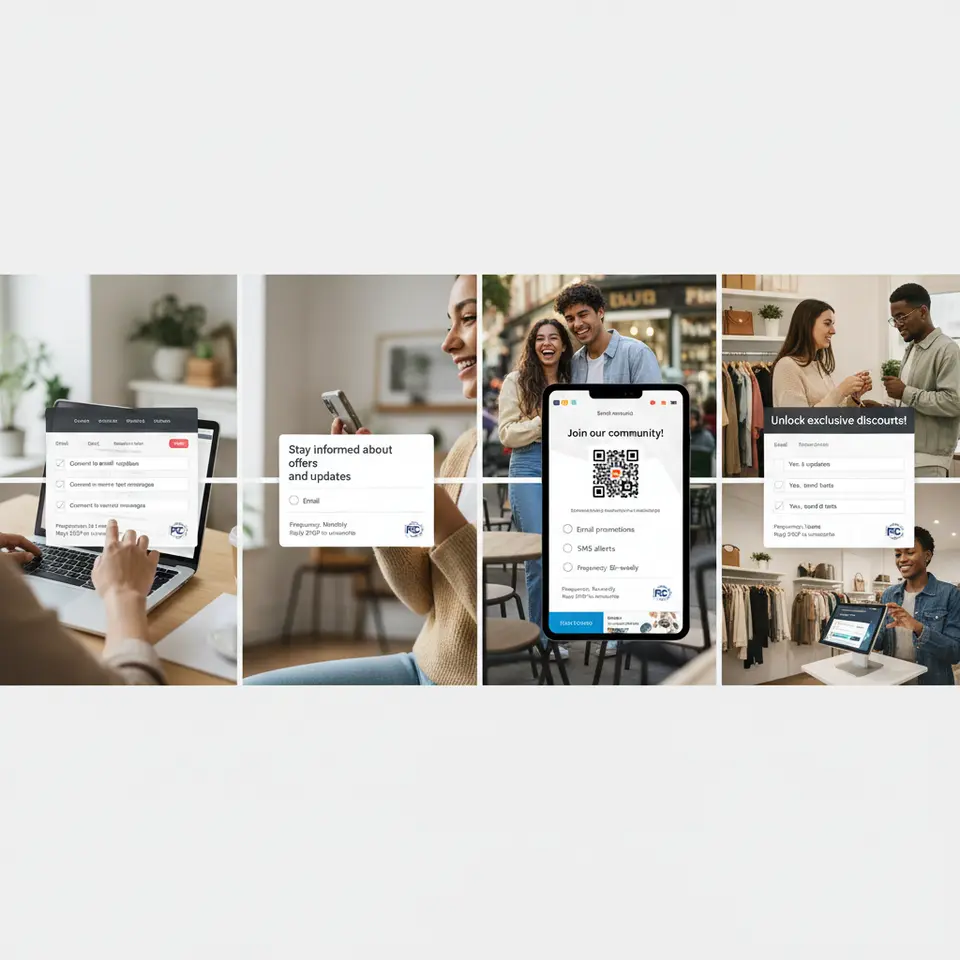
Quality is more important than quantity when it comes to your SMS subscriber list. Opt-in methods should be transparent, inviting users to subscribe in exchange for genuine value such as exclusive offers, timely updates, or loyalty program perks. Common touchpoints include website pop-ups, signup forms at checkout, social media promotions, and in-store displays. Each prompt must clearly communicate the frequency and nature of messages, ensuring subscribers know exactly what to expect.
Regulatory Considerations
Compliance with regulations like the Telephone Consumer Protection Act (TCPA) is critical for safeguarding your brand and avoiding heavy penalties. The Federal Communications Commission (FCC) provides detailed guidance on express consent requirements, mandated disclosures, and opt-out procedures, which you can review at fcc.gov. International regulations often mirror these principles, demanding clarity around consent and swift handling of unsubscribe requests.
In addition to legal compliance, building trust with subscribers enhances long-term engagement. Always offer a straightforward opt-out path, typically by replying “STOP”, and promptly cease messaging upon request. By respecting subscriber preferences, you cultivate a positive brand reputation, reduce complaint rates, and foster deeper loyalty. For insights into global mobile usage trends that inform subscriber behavior, refer to Pew Research Center, which offers authoritative data on how audiences engage with mobile technologies.
List Expansion Tactics
Growing an SMS audience requires creativity and strategic incentives. Consider hosting contests, offering early access to new products, or providing members-only coupons. Leverage omnichannel touches: promote your SMS program in newsletters, on social media profiles, and even on printed receipts. By aligning your messaging incentives with customer interests, you drive higher opt-in rates and ensure that your list comprises genuinely interested subscribers.
To further enhance your list quality, implement progressive profiling techniques that gather additional subscriber preferences over time. With each interaction—whether a click, survey response, or website visit—you can enrich subscriber profiles. This layered data collection enables hyper-targeted campaigns, such as birthday offers or location-specific promotions, that feel personally curated. Progressive profiling also fosters deeper relationships, demonstrating that you value subscriber interests and are committed to providing relevant, timely content.
Another proven tactic involves leveraging partnerships to grow your opt-in database. Collaborate with complementary brands or industry influencers to co-host webinars, giveaways, or limited-time bundles. These joint ventures expose your SMS program to new, yet relevant, audiences who are more inclined to subscribe because of the perceived mutual value. Be sure to align your messaging and incentives to maintain consistency and uphold brand integrity throughout the partnership.
Crafting Engaging Messages That Drive Action
Concise and Clear Copywriting
Effective SMS content demands brevity without sacrificing clarity. Aim to deliver your core message in under 160 characters, focusing on a single call-to-action. Whether announcing a flash sale or confirming an appointment, each text should highlight one key takeaway. Start with a compelling hook—such as a personalized greeting or a limited-time offer—and follow with a direct instruction, for instance “Tap here to claim” or “Show this code at checkout”.
Personalization and Segmentation
Personalized messages can significantly boost engagement. Incorporate subscriber-specific details like first names, past purchase items, or location-based references. By using merge tags and dynamic content, your texts become more relevant, increasing the likelihood of clicks and conversions. Coupled with advanced audience segmentation, you can tailor messages to distinct groups based on demographics, purchase history, or engagement level. This targeted approach reduces message fatigue and enhances overall ROI.
Visual and Interactive Elements
Although SMS is primarily text-based, you can enrich messages with emojis, short URLs, and MMS features when supported. Emojis add personality and can highlight key phrases, but should be used sparingly to maintain professionalism. Shortened links improve readability and track click-through data, while image-capable MMS messages allow you to showcase products directly in the text thread. For brands ready to experiment, Rich Communication Services (RCS) offers interactive buttons and high-resolution visuals, pushing the boundaries of traditional SMS Marketing.
Message timing is another critical dimension of an effective SMS strategy. Analyze subscriber activity patterns to identify peak engagement windows—whether early morning, midday breaks, or evening hours—and schedule sends accordingly. Avoid sending texts too early or too late to respect personal boundaries and reduce opt-outs. Leveraging time zone-based scheduling ensures your messages arrive exactly when recipients are most receptive, boosting open and response rates.
Equally important is maintaining a balanced messaging cadence. Flooding subscribers with frequent texts can lead to fatigue, while overly sporadic communication may result in waning interest. Establish a predictable rhythm—such as weekly highlights or monthly exclusive offers—to keep your audience informed without overwhelming them. Regularly solicit feedback through quick polls or reply prompts to gauge comfort levels and adjust frequency as needed.
Advanced Strategies: Segmentation, Automation, and Personalization
Laser-Focused Audience Segmentation
Segmentation is the backbone of sophisticated SMS Marketing. By dividing your audience into logical cohorts—such as high-spend customers, frequent browsers, or inactive subscribers—you can craft messaging sequences that align with each group’s specific behaviors and preferences. For example, send VIP offers to your top tier shoppers while re-engagement prompts can revive dormant contacts. This data-driven approach ensures optimal relevance and maximizes response rates.
Automated Workflows and Triggers
Automation transforms SMS from a manual broadcast tool into a dynamic engagement engine. Set up triggers that automatically send texts based on user actions like abandoned carts, welcome sequences, or subscription renewals. By integrating your SMS platform with CRM or e-commerce systems, you streamline workflows and reduce manual effort. Drip campaigns nurture prospects over time, delivering timely messages that guide users through the sales funnel seamlessly.
Dynamic Personalization at Scale
Combining segmentation and automation with personalization technologies amplifies impact. Use behavioral data to populate messages with contextually relevant offers—such as recommending complementary products after a purchase. AI-driven algorithms can predict optimal send times and preferred content formats for each subscriber. As personalization becomes more advanced, your SMS campaigns will feel increasingly bespoke, driving higher satisfaction and improved lifetime value.
Cross-channel orchestration enhances your SMS efforts by delivering cohesive experiences across email, social, and web. For instance, send an SMS reminder for an abandoned cart triggered by behavior on your website, followed by an email with more detail and visuals. This layered messaging increases conversion odds by meeting prospects in their preferred channels. Unified triggers and audience segments across platforms ensure seamless customer journeys and consistent brand storytelling.
Another advanced tactic involves implementing lifecycle messaging that aligns with different customer journeys—from new subscriber welcomes to VIP loyalty rewards. Map out key touchpoints such as account activation, first purchase, reorders, and anniversary milestones, and design automated SMS sequences tailored to each stage. By delivering timely, relevant messages that align with customer milestones, you create meaningful interactions that nurture long-term loyalty and advocacy.
Measuring, Optimizing, and Embracing Emerging Trends
Key Performance Indicators
To ensure your SMS Marketing program achieves its goals, track essential metrics like delivery rate, open rate, click-through rate, conversion rate, and return on investment (ROI). Real-time analytics dashboards help you assess campaign health immediately, enabling swift adjustments. For instance, testing different send times can reveal when your audience is most responsive. Regularly review these performance indicators to identify areas for improvement.
Continuous Testing and Iteration
Adopt a culture of experimentation to refine your approach. A/B testing various message elements—such as subject lines, calls-to-action, or message length—uncovers insights into what resonates best with your audience. Use test results to establish benchmarks and inform future campaigns. Small, incremental changes compounded over time can lead to significant performance gains.
Staying Ahead with Emerging Technologies
SMS Marketing continues to evolve with innovations like RCS, chatbots, and AI-powered personalization engines. RCS enables interactive experiences similar to apps, offering buttons, carousels, and high-quality images. Chatbots integrated into messaging platforms can handle customer inquiries in real time, reducing support burdens. By experimenting with these emerging formats and analyzing user feedback, you maintain a competitive edge and deliver cutting-edge experiences.
Benchmarking your SMS Marketing performance against industry standards provides context for your results. Look for benchmark reports from reputable sources—such as the Mobile Marketing Association—to understand average open and conversion rates within your sector. These insights help set realistic goals and identify performance gaps. If your metrics fall below benchmarks, analyze each element—audience quality, message relevance, send timing—to pinpoint opportunities for improvement.
Finally, prepare for the continued rise of conversational commerce within text messaging. Chat-enabled campaigns allow subscribers to interact directly via two-way messaging, asking questions, requesting support, or accessing personalized recommendations. Integrating AI chatbots can automate responses to common queries while escalating complex issues to live agents. Embracing these interactive capabilities transforms SMS Marketing into a dynamic customer service and sales channel, driving engagement and differentiation.
Frequently Asked Questions
What is the best frequency for sending SMS campaigns?
Maintaining a balanced cadence ensures subscribers stay engaged without feeling overwhelmed. Aim for no more than one to two messages per week, and use feedback or quick polls to adjust based on your audience’s preferences.
How can I ensure compliance with SMS marketing regulations?
Obtain explicit opt-in consent, clearly communicate message frequency and content, and provide an easy opt-out method (e.g., replying “STOP”). Regularly review TCPA and international regulations for updates and maintain transparent record-keeping.
Which metrics should I track to measure SMS marketing success?
Key metrics include delivery rate, open rate, click-through rate, conversion rate, and ROI. Use real-time dashboards to monitor performance and run A/B tests to refine your approach continuously.
Conclusion
In today’s dynamic marketing environment, SMS Marketing offers a direct and impactful way to reach consumers on devices they use constantly throughout the day. By following best practices in list building, regulatory compliance, message crafting, segmentation, and performance analysis, you can unlock impressive engagement and conversion rates. Automation and personalization allow brands to scale efforts while maintaining relevance, driving sustained growth and customer loyalty.
As you implement these strategies this year (2026), remember that continuous improvement is key. Leverage data insights, embrace new technologies like RCS and chatbots, and always prioritize the subscriber experience. Your journey toward SMS Marketing mastery begins now—take the first step by defining clear goals, securing compliance, and delivering value-packed messages that resonate with your audience in real time.
Looking ahead within this year (2026), consider how emerging technologies like machine learning and 5G networks will further elevate SMS capabilities. Faster data speeds and enhanced network reliability will allow richer media content and interactive experiences to become mainstream. Staying proactive in testing new features and soliciting subscriber feedback ensures your SMS strategy remains nimble and effective. Above all, maintain a customer-centric focus—prioritizing value, relevance, and respect for recipient preferences will safeguard long-term success in this rapidly evolving channel.
