

Learning how to create an sms campaign transforms the way you communicate with your audience. This guide covers everything from gathering compliant opt-ins to tracking your analytics. You will discover actionable strategies, platform comparisons, and expert tips to maximize your return on investment and build lasting customer loyalty.
Are you struggling to reach your customers where they actually spend their time? Knowing how to create an sms campaign gives you direct access to their mobile devices instantly.
Understanding the Basics of Text Message Marketing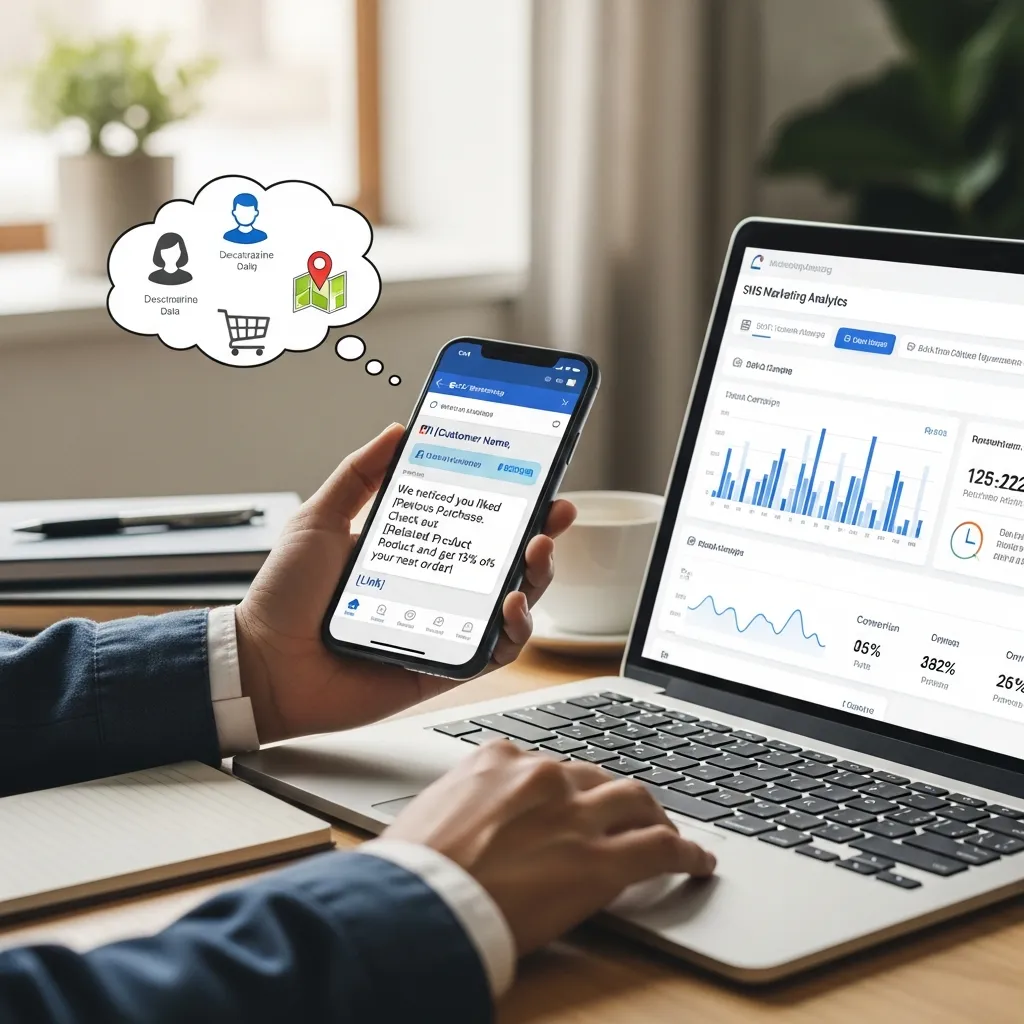
Before you dive into the exact steps of how to create an sms campaign, you must understand what makes this channel so powerful. Text message marketing involves sending promotional or transactional messages directly to your customers’ mobile phones. Because most people keep their phones within arm’s reach at all times, text messages boast incredibly high open rates.
When you learn how to create an sms campaign, you tap into a channel that cuts through the noise of crowded email inboxes and algorithm-heavy social media feeds. Whether you want to announce a flash sale, send a friendly appointment reminder, or distribute exclusive discount codes, understanding how to create an sms campaign is essential for modern business growth.
To fully grasp how to create an sms campaign, we have to look at the two main types of messages:
- Promotional Messages: These drive sales and promote specific marketing initiatives. Think of holiday discounts, product launches, or special VIP offers.
- Transactional Messages: These provide helpful updates and information. Shipping confirmations, password resets, and appointment reminders fall into this category.
Step 1: Define Your Goals and Target Audience
The very first step in how to create an sms campaign is outlining exactly what you want to achieve. You cannot measure success if you do not know what success looks like for your specific business.
Are you trying to drive immediate sales for a new product? Do you want to increase attendance at an upcoming event? Or perhaps you are focusing on your customer retention rates by sending personalized birthday offers? Figuring out your core objective dictates how to create an sms campaign that actually converts.
Once you know your goals, you need to define your audience. Knowing how to create an sms campaign means knowing exactly who will receive your texts. Segmenting your audience allows you to send highly relevant messages.
- Demographics: Age, location, and income level.
- Purchase History: Past buyers, frequent shoppers, or lapsed customers.
- Behavioral Data: Website visitors, cart abandoners, or loyalty program members.
When you figure out how to create an sms campaign tailored to specific segments, your engagement rates skyrocket.
Step 2: Choose the Right Platform
You cannot figure out how to create an sms campaign without the right software. Choosing a reliable messaging provider gives you the tools necessary to automate, scale, and track your efforts.
When evaluating how to create an sms campaign using different software, look for features like automation workflows, compliance management, segmentation tools, and robust analytics. If you also run an email marketing strategy, you might want a platform that integrates both channels seamlessly.
Platform Comparison Table
|
Feature |
Dedicated SMS Platform |
Omnichannel Provider |
Basic CRM Texting |
|---|---|---|---|
|
Best For |
High-volume texting, advanced SMS features |
Unified marketing (email, SMS, push) |
Small businesses needing simple alerts |
|
Cost |
Medium to High |
High |
Low |
|
Automation |
Excellent |
Excellent (cross-channel) |
Basic |
|
Compliance Tools |
Built-in (TCPA/CTIA strict) |
Built-in |
Limited |
|
Analytics |
Deep SMS insights |
Multi-touch attribution |
Surface-level |
To learn more about the technical side of carrier regulations and short codes, you can review guidelines provided by the CTIA, which outlines best practices for wireless communications.
Step 3: Build a Compliant Subscriber List
One of the most critical aspects of how to create an sms campaign is gathering compliant opt-ins. You cannot legally send text messages to people who have not explicitly agreed to receive them.
Understanding how to create an sms campaign requires a firm grasp of regulations like the Telephone Consumer Protection Act (TCPA) in the United States, or GDPR in Europe. Breaking these rules can result in massive fines and permanent bans from cellular carriers.
Here are proven methods to build your list:
- Website Pop-ups: Offer a small discount (like 10% off) in exchange for a mobile number.
- Checkout Opt-ins: Add a simple checkbox during the checkout process where customers can agree to receive shipping updates and promotional offers.
- Text-to-Join Keywords: Promote a specific keyword (e.g., “Text JOIN to 12345”) on your social media, physical storefront, or packaging.
- Email Cross-Promotion: Send an email to your existing subscribers offering an exclusive benefit if they also join your text list.
Always ensure your opt-in language clearly states what type of messages the user will receive, the estimated frequency, and instructions on how to opt out (usually by replying “STOP”).
Step 4: Craft Compelling Message Copy
Knowing how to create an sms campaign means mastering the art of concise copywriting. You typically only have 160 characters to grab attention, deliver value, and inspire action.
When planning how to create an sms campaign, start with a strong hook. Identify your brand immediately so the recipient knows who is texting them. Then, state the offer clearly. Finally, include a strong, actionable link.
- Be Direct: Do not waste space with unnecessary words. Get straight to the point.
- Create Urgency: Use time-sensitive language like “Today only,” “Flash Sale,” or “Expires at midnight.”
- Personalize: Use dynamic tags to insert the subscriber’s first name. This simple trick drastically improves conversion rates.
- Use URL Shorteners: Long links eat up your character limit and look messy. Use branded short links to save space and track clicks accurately.
Step 5: Schedule and Send
Timing plays a massive role in how to create an sms campaign successfully. If you text your audience at 3:00 AM, you will only succeed in annoying them and increasing your opt-out rate.
Figuring out how to create an sms campaign involves respecting your subscribers’ time zones. Most marketing experts agree that the best times to send text messages are mid-morning (around 10:00 AM) or mid-afternoon (around 2:00 PM to 3:00 PM). However, this depends entirely on your specific industry and audience habits.
If you run a restaurant, learning how to create an sms campaign for a lunch special means sending the text around 11:30 AM, right when people are deciding what to eat. If you run an ecommerce store, weekend mornings might yield the best results. Always test different send times to see what generates the most revenue.
Step 6: Track, Analyze, and Optimize
You do not truly know how to create an sms campaign until you know how to read the data it produces. Launching the message is only half the battle.
To improve how to create an sms campaign in the future, monitor these key metrics:
- Delivery Rate: The percentage of messages that actually reached a mobile device. A low delivery rate might indicate fake numbers on your list.
- Open Rate: While text messages have high open rates, tracking this helps you understand general engagement.
- Click-Through Rate (CTR): The percentage of people who clicked the link in your message. This is a primary indicator of your offer’s appeal.
- Conversion Rate: The percentage of subscribers who completed the desired action, such as making a purchase.
- Opt-Out Rate: How many people unsubscribed after receiving your message. A high opt-out rate means your message was irrelevant, too frequent, or poorly timed.
For deeper insights into consumer behavior and analytics, you can explore resources from Gartner, which provides extensive research on digital marketing performance.
Pro Tips and Expert Insights
To elevate your strategy, you must look beyond the basics of how to create an sms campaign. Here are advanced tactics used by industry leaders:
A/B Test Everything: Never assume you know exactly what your audience wants. Test different offers, different copy variations, and different send times. Send version A to 10% of your list and version B to another 10%. Whichever performs better gets sent to the remaining 80%.
Utilize MMS: Sometimes, text is not enough. Multimedia Messaging Service (MMS) allows you to attach images, GIFs, and longer text blocks to your campaigns. While MMS costs slightly more than standard text messages, the visual appeal often leads to significantly higher conversion rates, especially for retail and apparel brands.
Automate the Customer Journey: The best way to learn how to create an sms campaign is to let automation do the heavy lifting. Set up welcome series for new subscribers, abandoned cart reminders for distracted shoppers, and post-purchase follow-ups to gather reviews. Linking your text strategy to your marketing automation software creates a seamless experience.
Common Mistakes to Avoid
Even seasoned marketers stumble when learning how to create an sms campaign. Avoiding these pitfalls will protect your brand reputation and your budget.
When you research common sms marketing mistakes, the most frequent error is sending too many messages. Texting is an intimate channel. If you text your customers every single day, they will unsubscribe. Stick to two to four high-value messages per month unless you have a specific, time-bound promotion.
Another frequent issue among common sms marketing mistakes is failing to identify your brand. If a customer receives a text from an unknown number saying “Click here for 20% off,” they will likely assume it is a scam or a phishing attempt. Always include your brand name in the text.
Finally, ignoring compliance is the most dangerous of all common sms marketing mistakes. Never buy a list of phone numbers. Never text people who have not explicitly opted in. Always include a clear way for them to opt out. Taking shortcuts here can destroy your business. You can read more about consumer privacy and marketing compliance through the Federal Trade Commission.
Advanced Use Cases by Industry
To truly master how to create an sms campaign, look at how different industries leverage the technology.
Ecommerce: Online stores use text messages for flash sales, VIP product drops, and cart abandonment recovery. They focus heavily on high-converting copywriting and bold MMS images to drive immediate clicks.
Healthcare: Medical practices focus less on promotions and more on transactional value. They send appointment reminders, prescription refill alerts, and follow-up care instructions. This drastically reduces no-show rates and improves patient outcomes.
Nonprofits: Charities and organizations leverage text-to-donate campaigns. They tell a compelling, urgent story in 160 characters and provide a direct link to a mobile-optimized donation page.
B2B Companies: Business-to-business brands use texting for webinar reminders, sales meeting confirmations, and urgent account alerts. The tone is highly professional and focused on providing immediate utility to the client.
Integrating Texting with Your Broader Marketing Strategy
You should never treat this channel in a vacuum. Knowing how to create an sms campaign means knowing how to make it work alongside your other channels.
When you align your texting efforts with your omnichannel marketing approach, the results compound. For instance, you can send a detailed newsletter explaining a new product launch on Tuesday. On Thursday, you can send a short, punchy text message reminding subscribers that the product launch is live. The email provides the context; the text provides the urgency.
Similarly, use your social media presence to grow your subscriber list. Run targeted ads offering a lead magnet in exchange for a mobile number. The synergy between these platforms ensures your brand stays top-of-mind.
Preparing for the Future of Mobile Messaging
As you learn how to create an sms campaign today, keep an eye on tomorrow. The landscape of mobile messaging is constantly evolving.
Rich Communication Services (RCS) is slowly rolling out across various devices and carriers. RCS functions like standard texting but allows for high-resolution images, read receipts, and typing indicators, similar to iMessage or WhatsApp. Preparing your strategy for these rich media formats will keep you ahead of the competition.
Furthermore, artificial intelligence is reshaping how to create an sms campaign. AI can analyze your customer data to predict the absolute perfect time to text each individual subscriber, write high-converting copy, and manage two-way conversational flows automatically.
Mastering how to create an sms campaign is an ongoing process of testing, learning, and adapting. By prioritizing compliance, providing immense value in every message, and respecting your subscribers’ attention, you will build a revenue-generating asset that serves your business for years to come.
Conclusion
Mastering how to create an sms campaign requires clear goals, strict compliance, and compelling copy. By choosing the right platform, testing your send times, and analyzing your data, you can build a highly profitable channel. Start building your compliant list today and watch your customer engagement soar to new heights.
FAQs
1. What is the first step in how to create an sms campaign?
The first step is always defining your specific goals and identifying your target audience. You need to know what you want to achieve (e.g., more sales, higher event attendance) before you start drafting messages or choosing software.
2. Do I need permission to send text messages to my customers?
Yes. You must obtain explicit, written consent from every individual before sending them marketing messages. Failing to secure proper opt-ins violates strict regulations and can result in severe financial penalties.
3. How long should my text messages be?
Standard text messages have a character limit of 160 characters. It is best to keep your messages as concise as possible. Get straight to the point, offer clear value, and include a strong call to action.
4. What are the most common sms marketing mistakes?
The most frequent errors include sending messages too often, failing to identify your brand name in the text, sending messages at inappropriate times (like the middle of the night), and ignoring opt-out compliance rules.
5. What is the difference between SMS and MMS?
SMS stands for Short Message Service and consists entirely of text and links. MMS stands for Multimedia Messaging Service, which allows you to include images, GIFs, and longer blocks of text. MMS usually costs more but often drives higher engagement.
6. When is the best time to send a campaign?
The optimal time depends on your industry and audience, but generally, mid-morning (10:00 AM) and mid-afternoon (2:00 PM) perform well. You should always A/B test your send times to see when your specific audience is most active.
7. How do I get more people to subscribe to my text list?
Offer a strong incentive. Give new subscribers a percentage off their next purchase, free shipping, or exclusive access to new products. Promote this offer via website pop-ups, social media, and checkout pages.
8. Can I use my personal mobile phone to run a campaign?
No, you should never use a personal device for mass texting. You need a dedicated messaging platform that can handle large volumes, manage compliance and opt-outs, and provide detailed analytics on your campaign’s performance.
9. How do I measure the success of my text messages?
Track key performance indicators (KPIs) such as delivery rate, open rate, click-through rate (CTR), conversion rate, and opt-out rate. These metrics will tell you if your audience finds your messages valuable.
10. How often should I text my subscribers?
A good rule of thumb is to send two to four highly relevant messages per month. If you text too often, you will annoy your audience and increase your unsubscribe rate. Always prioritize quality and value over frequency.
