

In today’s digital landscape, capturing your audience’s attention quickly and effectively is more challenging than ever. SMS marketing has risen to the forefront as a channel that bridges the gap between brands and customers with unparalleled immediacy. This year (2026), businesses are leveraging text messaging to deliver personalized promotions, appointment reminders, and time-sensitive alerts directly to mobile devices—where attention spans are shortest and response times are fastest. Research from the Pew Research Center shows that more than 90% of SMS messages are read within minutes, making this medium a vital component of any omnichannel strategy. When executed thoughtfully, SMS marketing can fuel higher open rates, elevated click-throughs, and stronger conversions compared to many other tactics still in heavy use today.
Yet implementing a successful SMS program demands more than sending blasts at random intervals. It requires strategic goal-setting, meticulous list building, thoughtful segmentation, and compliance with regulatory frameworks. Throughout this guide, we’ll walk you through every critical step—from defining SMART objectives and identifying key performance indicators (KPIs) to automating workflows and integrating SMS with broader marketing channels. By following these best practices, you’ll be equipped to optimize campaigns, drive meaningful engagement, and achieve measurable ROI in today’s fast-paced marketplace. Let’s embark on the journey to SMS marketing mastery and unlock the potential to boost your conversion rates immediately.
The Value of SMS Marketing in Today’s Landscape
As consumer habits evolve, brands must adapt by meeting users where they are—and that place is on their mobile devices. SMS marketing offers a direct line to customers’ inboxes, granting brands an astonishing average open rate that often exceeds 90%. Unlike email, which can sit unread for hours or land in spam folders, text messages appear in a primary folder and demand minimal effort for users to engage. This immediacy is vital for flash sales, limited-time promotions, and critical updates.
But impact runs deeper than simple open metrics. A study by the Federal Communications Commission highlights that SMS campaigns generate response rates up to ten times higher than traditional channels, translating to faster conversions and reduced time-to-purchase. In today’s omnichannel environment, SMS serves as both a standalone driver and a reinforcing touchpoint. When paired with email, push notifications, and social media, text messaging magnifies brand recall and guides prospects seamlessly along the buyer journey.
Moreover, the intimacy of the mobile inbox fosters trust. Customers perceive texts as personal notes rather than broad broadcasts, especially when messages are tailored to their behavior and preferences. This sense of personalization not only stimulates engagement—it also enhances brand loyalty. For industries like retail, hospitality, healthcare, and financial services, SMS can serve as the linchpin in driving appointment confirmations, reducing cart abandonment, and promoting loyalty programs.
In today’s data-driven climate, the measurable nature of SMS marketing is a game changer. With every campaign, you can track opens, clicks, conversions, and opt-outs in real time. These insights enable rapid optimization and ensure that campaigns remain cost-effective. By embracing SMS marketing now, you position your brand to respond dynamically to consumer trends and outpace competitors in engagement and revenue generation.
Establishing SMART Goals and Measuring KPIs
Before launching any SMS initiative, it’s essential to define clear objectives that align with overarching business goals. Adopting the SMART framework—Specific, Measurable, Achievable, Relevant, and Time-bound—ensures each campaign has purpose and direction. For instance, rather than vaguely aiming to “increase sales,” a SMART goal might be to “boost flash sale revenue by 15% through targeted SMS offers over a four-week period.”
Once goals are set, determine the key performance indicators (KPIs) that will track progress. Standard SMS marketing KPIs include:
- Open rate: Percentage of messages read.
- Click-through rate (CTR): Proportion of users clicking embedded links.
- Conversion rate: Number of recipients who complete desired actions (e.g., purchases, sign-ups).
- Opt-out rate: Percentage of subscribers who unsubscribe after a message.
Be sure to establish benchmarks based on past performance or published industry averages. For example, a typical CTR in retail SMS campaigns hovers around 19%, while conversion rates can exceed 8%. Use Pew Research Center data to gauge consumer mobile behavior and refine your expectations.
A/B testing is your ally in optimization. Experiment with variables such as send times, message length, offers, and CTAs to identify high-impact combinations. Segment your audience and run simultaneous tests to compare results, then implement winning variants across your subscriber base. Regularly review analytics and tweak your strategy—this iterative approach ensures that your SMS marketing efforts remain responsive to audience behavior and market trends.
Growing and Segmenting Your Subscriber Base
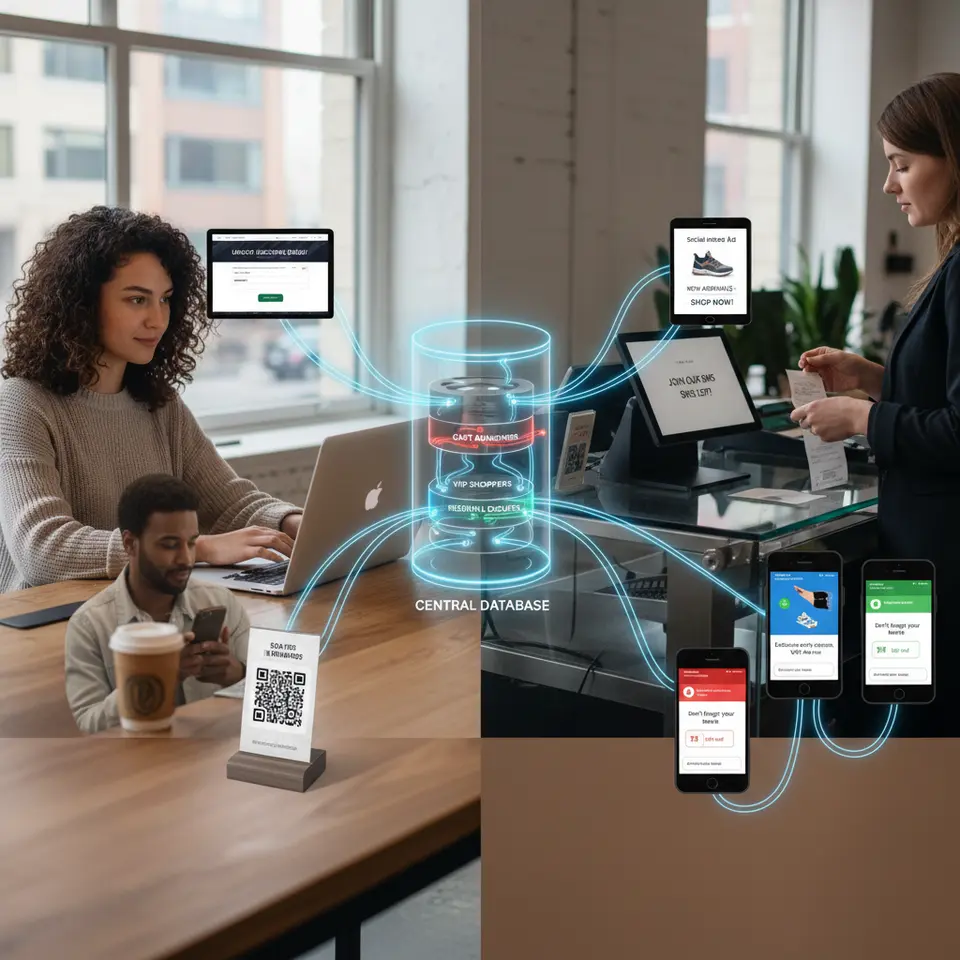
A permission-based list is the lifeblood of any SMS marketing campaign. Compliance regulations like the Telephone Consumer Protection Act (TCPA) in the U.S. and the General Data Protection Regulation (GDPR) in the EU mandate explicit opt-in consent. To secure high-quality subscribers, integrate sign-up prompts across multiple touchpoints: website pop-ups, landing pages, point-of-sale terminals, social media ads, and QR code displays in physical locations.
Incentives can accelerate list growth. Offer exclusive discounts, free resources, or early-sale access in exchange for a phone number. Clearly communicate the value subscribers will receive—this sets the tone for ongoing engagement and reduces opt-outs. Ensure your opt-in forms are concise, transparent, and mobile-friendly to maximize completion rates.
Segmentation is critical for relevance. Rather than broadcasting identical messages to your entire list, divide subscribers by criteria such as purchase history, geographic location, engagement patterns, and demographic data. For example, you might group cart abandoners separately from VIP customers who consistently make high-value purchases. Use dynamic fields (e.g., first name, recent product browsed) in your messaging to deepen personalization.
Data enrichment tools and Customer Data Platforms (CDPs) can enhance segmentation by unifying customer profiles across channels. With clean, comprehensive data, you can deliver targeted offers—like localized promotions for nearby stores or follow-up texts based on recent interactions. This level of precision not only boosts response rates but also cultivates long-term loyalty by demonstrating that your brand understands individual needs.
Crafting and Personalizing High-Impact SMS Campaigns

With strict character limits—generally 160 characters per message—every word counts. An effective SMS opens with a friendly greeting, quickly communicates value, and ends with a compelling call-to-action (CTA). Phrases like “Shop now,” “Claim your 20%-off code,” or “Reply YES to confirm” provide clear direction. Always include opt-out instructions (e.g., “Reply STOP to unsubscribe”) to maintain compliance and trust.
Personalization transforms generic blasts into one-to-one conversations. Leverage merge tags to insert names, recent purchase details, or reward status. For example: “Hi Sarah, your favorite running shoes are back in stock—grab them at 15% off today only!” This approach not only grabs attention but also conveys that the message was crafted for that individual recipient.
Incorporate urgency and exclusivity to drive quicker decisions. Limited-time codes, countdown references, and VIP-only events encourage rapid action. Consider festive or seasonal theming to make messages more relevant and timely. Emojis can add personality—use them sparingly to ensure readability across devices.
Rich content options, like MMS images or links to interactive landing pages, elevate engagement further. However, weigh the trade-offs: multimedia messages may incur higher costs and face deliverability issues on older devices. Always test variants to see which format resonates most with your audience.
Automating Workflows and Ensuring Compliance
Automation is the backbone of a scalable SMS marketing program. Triggered workflows allow you to send timely messages based on specific events: welcome sequences for new subscribers, abandoned-cart reminders, birthday offers, post-purchase thank-yous, and loyalty tier upgrades. By mapping out these journeys, you ensure consistent communication without manual intervention.
Sophisticated platforms support multi-step automations that combine SMS with email, in-app messages, or push notifications. For instance, a three-step cart recovery flow might start with an SMS nudge, follow up with an email recap, and conclude with a final SMS discount offer. This orchestrated approach maximizes the chances of recapturing lost revenue.
On the compliance front, maintain clear records of opt-in consents, message timestamps, and suppression lists. In the U.S., TCPA requires written consent for promotional texts, while GDPR mandates transparent data handling and easy opt-out mechanisms. Provide unsubscribe options in every message and promptly remove unsubscribed or invalid numbers from your list. Noncompliance can lead to hefty fines and reputational damage, so integrate controls that automatically enforce rules and prevent accidental violations.
Finally, ensure that your technical infrastructure can handle peak volumes—whether you’re sending a routine weekly blast or a high-profile product launch announcement. Utilize robust SMS APIs built for reliability and redundancy. Confirm that carrier throughput limits are understood and respected to avoid delays or filtering issues during critical campaigns.
FAQ
Q: What is SMS marketing?
A: SMS marketing is the practice of sending strategic text messages to a subscriber list to promote products, share updates, or engage customers directly on their mobile devices.
Q: How do I ensure compliance with SMS regulations?
A: Ensure you collect explicit opt-in consent, provide clear opt-out instructions in every message, maintain suppression lists, and store consent records in compliance with regulations like TCPA and GDPR.
Q: What metrics should I track for SMS campaigns?
A: Key metrics include open rates, click-through rates, conversion rates, and opt-out rates. A/B testing and real-time analytics help optimize these metrics for better campaign performance.
Conclusion
SMS marketing continues to prove its worth in today’s fast-moving, mobile-first world. By understanding the strategic value of text messaging, setting SMART goals, nurturing a permission-based subscriber list, and delivering personalized, concise copy, brands can achieve impressive engagement and conversion rates. Automation and compliance form the pillars of a sustainable program, while cross-channel integration strengthens your overall marketing ecosystem.
As you implement these best practices this year (2026), remember to test relentlessly and analyze performance metrics. Optimizing send times, message formats, and audience segments will help you stay ahead of evolving consumer preferences. SMS marketing mastery isn’t a one-time effort—it’s an ongoing process of refinement and adaptation. Start small, gather insights, and scale strategically to unlock the full potential of SMS in boosting your conversion rates today.
