
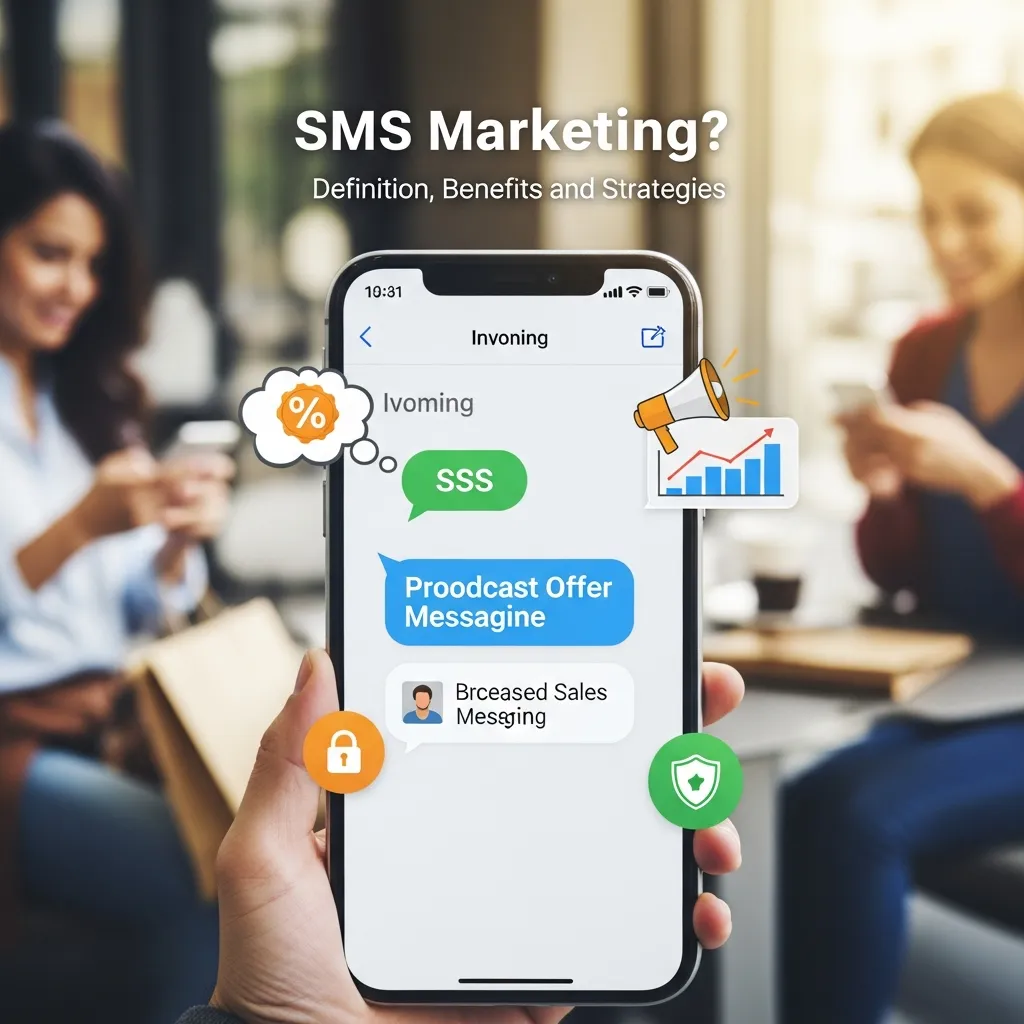
This guide answers exactly what is sms marketing by exploring its core definition, incredible benefits, and top strategies. You will learn how to craft high-converting campaigns, avoid costly errors, and use expert tips to maximize engagement and skyrocket your overall revenue.
Wondering what is sms marketing and how it drives sales? This direct channel sends text messages to mobile devices, connecting you instantly with your target audience.
Understanding the Basics: What is SMS Marketing?
When business owners and marketers ask what is sms marketing, they are looking for a clear definition of how texting drives business growth. SMS marketing stands for Short Message Service marketing. It is a permission-based digital strategy where businesses send promotional messages, alerts, and updates directly to a customer’s mobile phone via text message.
To fully grasp what is sms marketing, you must understand that it relies entirely on consent. You cannot simply buy a list of phone numbers and start texting. Customers must explicitly opt in to receive your communications. Once they do, you gain access to one of the most direct and effective communication channels available today.
From flash sales and discount codes to appointment reminders and shipping updates, answering what is sms marketing involves looking at the diverse ways brands connect with consumers. Because mobile phones are almost always within arm’s reach, this strategy ensures your message gets seen almost immediately.
How the Process Works
When exploring what is sms marketing, it helps to break down the mechanics of a campaign. First, a business uses a dedicated phone number. This could be a five- or six-digit short code, a standard ten-digit long code, or a toll-free number.
Next, you need an audience. You invite customers to join your subscriber list by texting a specific keyword to your number or by checking an opt-in box during online checkout. Once they subscribe, you use business texting software to manage the list, segment your audience, and schedule messages.
The Psychology Behind Texting
To master what is sms marketing, you must understand consumer behavior. People treat their text message inbox as a highly personal space. They reserve it for friends, family, and trusted brands. When you enter this space, you bypass the crowded email inbox and the algorithmic noise of social media.
This creates a sense of urgency and intimacy. If you use this access respectfully, you can build incredible brand loyalty. If you abuse it, customers will quickly opt out.
Mini-Conclusion: Defining what is sms marketing goes beyond the technical act of sending a text. It is about building a trusted, immediate, and highly responsive relationship with your audience through their most personal device.
The Core Benefits of SMS Marketing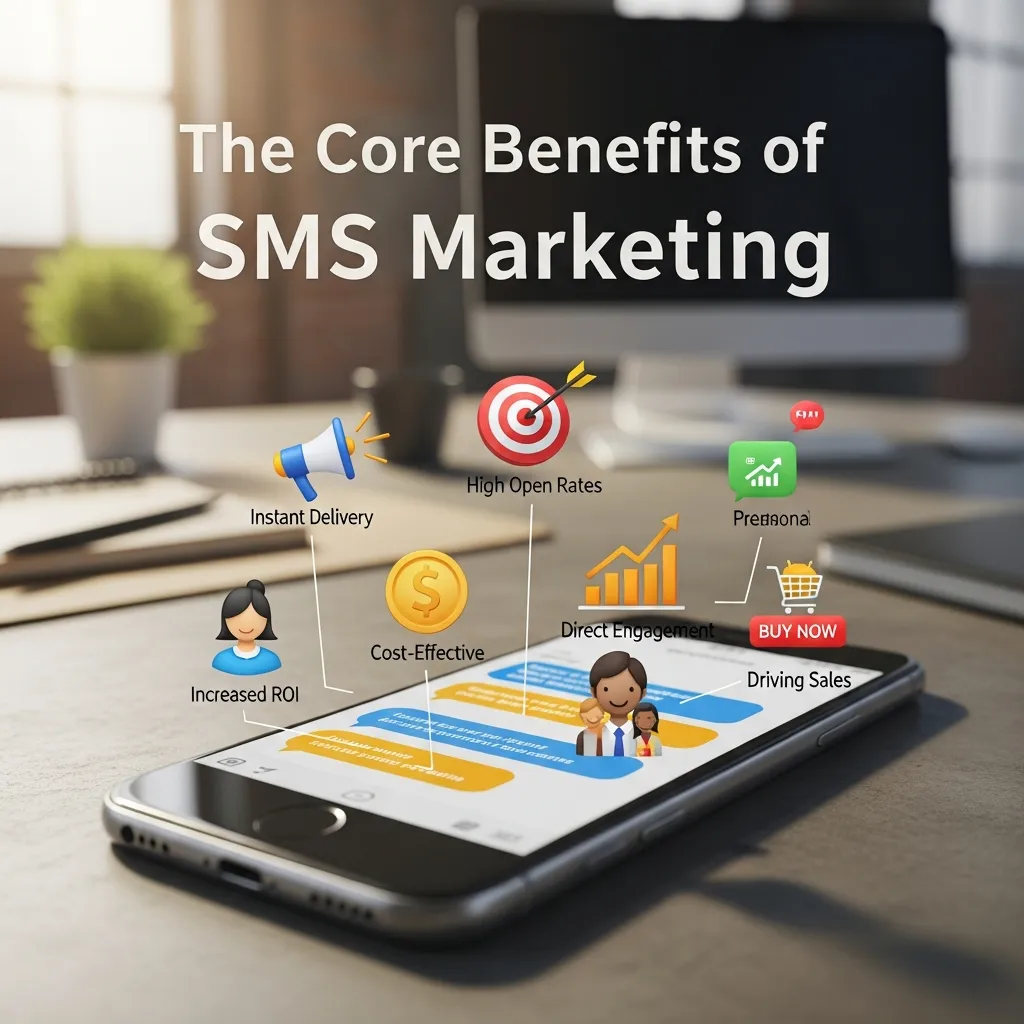
Why do so many brands invest heavily in this channel? When you ask what is sms marketing going to do for my bottom line, the benefits speak for themselves.
Sky-High Open Rates
The most famous benefit of texting is the read rate. Research frequently shows that text messages enjoy an open rate of up to 98%. Compare this to email marketing, where a 20% open rate is considered a major success. When you send a text, you know your audience will see it.
Immediate Delivery and Response
Understanding what is sms marketing means understanding speed. Most people read a text message within three minutes of receiving it. If you have a time-sensitive offer, a sudden schedule change, or a flash sale, no other channel delivers your message faster.
Cost-Effective Customer Acquisition
Sending text messages costs pennies, but the return on investment can be massive. Because the engagement rates are so high, the cost per conversion drops significantly. You can reach thousands of customers instantly without spending a fortune on digital ad spend.
High Conversion Rates
People who opt into your text list are your most engaged customers. They want to hear from you. Because you are targeting a highly motivated audience with a direct link to your store, conversion rates often outperform other digital channels.
Enhanced Customer Loyalty
When you ask what is sms marketing doing for long-term growth, look at retention. Sending exclusive offers, early access to new products, and personalized birthday messages makes your customers feel valued. This VIP treatment fosters deep customer loyalty.
Mini-Conclusion: The benefits of text marketing center around speed, visibility, and profitability. By leveraging these strengths, you can create campaigns that drive massive engagement and consistent revenue.
Main Types of SMS Marketing Messages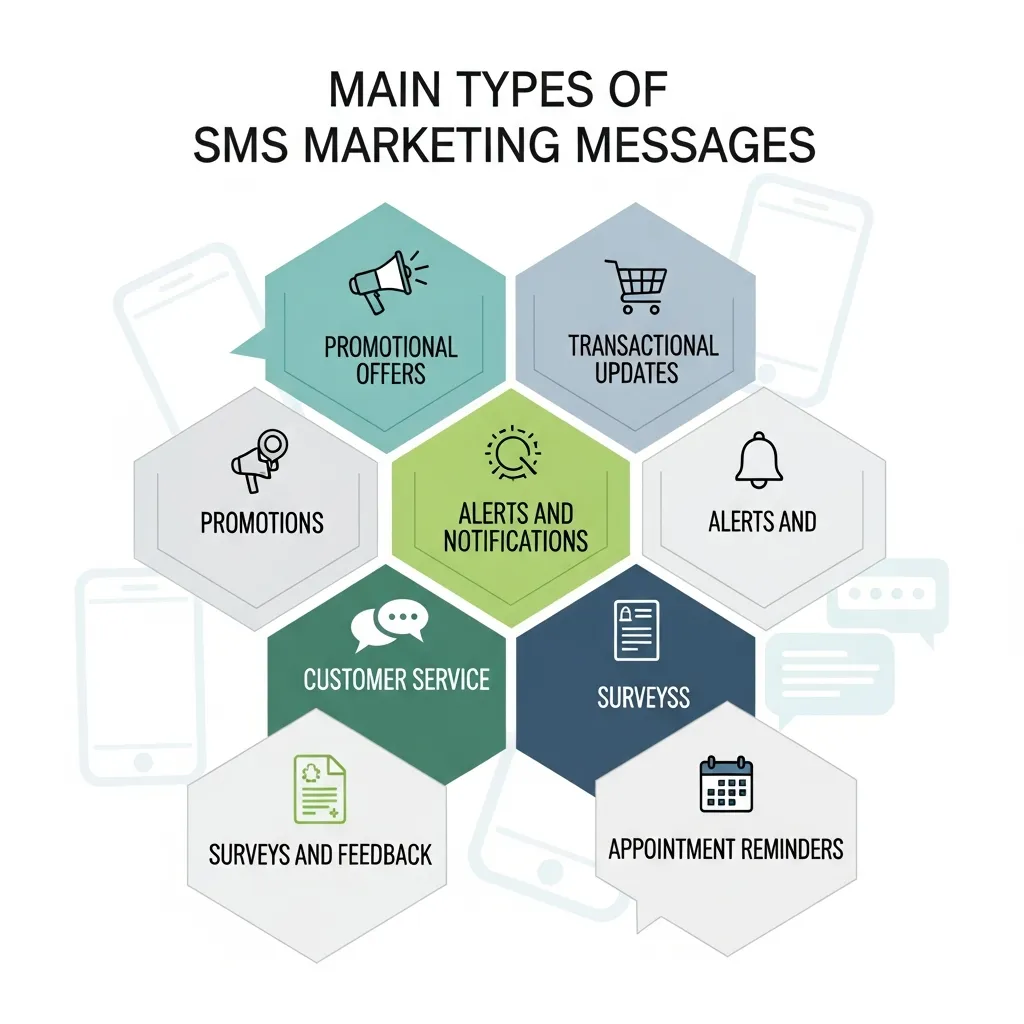
To fully utilize what is sms marketing, you need to know the different types of messages you can send. Each type serves a specific purpose in the customer journey.
Promotional Messages
Promotional texts aim to drive sales and increase revenue. They are the most common answer to what is sms marketing. These messages include discount codes, flash sale announcements, new product drops, and holiday specials.
- Actionable Insight: Always include a clear call-to-action (CTA) and a shortened link directly to the product page. Make it as easy as possible for the customer to buy.
- Example: “VIP exclusive! Take 25% off all summer styles this weekend only. Shop now: [Link] Reply STOP to opt out.”
Transactional Messages
Transactional messages provide essential information rather than marketing a product. They keep the customer informed and reduce the burden on your customer support team.
- Actionable Insight: Trigger these messages automatically through your ecommerce platform. Ensure they trigger instantly after a customer takes a specific action.
- Example: “Your order #12345 has shipped! Track your package here: [Link].”
Conversational and Support Messages
Answering what is sms marketing also involves two-way communication. Customers increasingly prefer to text businesses for support rather than waiting on hold on a phone call.
- Actionable Insight: Use a platform that allows for two-way messaging so your support team can answer questions, resolve issues, and even close sales directly via text.
- Example: “Hi Sarah, our technician will arrive at your home between 2 PM and 4 PM today. Reply to this text if you have any questions.”
Behavioral Triggers and Automations
Behavioral texts trigger based on how a customer interacts with your website. If someone leaves items in their shopping cart, an automated text can remind them to check out.
- Actionable Insight: Set a slight delay on abandoned cart texts. Sending a reminder 30 minutes to an hour after they abandon the cart usually yields the highest recovery rate.
- Example: “You left something great behind! Complete your purchase now and get free shipping: [Link].”
Comparing Digital Marketing Channels
To better understand what is sms marketing, let us look at how it compares to other popular communication channels.
|
Feature |
SMS Marketing |
Email Marketing |
Push Notifications |
|---|---|---|---|
|
Open Rate |
~98% |
~20% |
~20% |
|
Delivery Speed |
Instant |
Fast, but often sits unread |
Instant, but requires app |
|
Content Length |
Short (160 characters) |
Long-form, highly visual |
Very short |
|
Best Used For |
Urgent alerts, flash sales |
Newsletters, detailed info |
App updates, location alerts |
|
Opt-In Friction |
High (Requires phone number) |
Low (Requires email) |
Medium (Requires app install) |
Mini-Conclusion: No single channel does everything perfectly. The best approach combines these channels. Use email for deep storytelling and texting for quick, urgent conversions.
Winning Strategies for SMS Campaigns
Now that we have defined what is sms marketing, how do you actually succeed at it? Simply blasting texts to your list will not work. You need a targeted strategy.
1. Build a High-Quality Subscriber List
Your campaigns will only succeed if you have a healthy list of engaged subscribers. Use every touchpoint to invite customers to join.
- Add website pop-ups: Offer a discount in exchange for their phone number.
- Use keyword campaigns: Ask customers to text a word like “JOIN” to your short code.
- Leverage social media: Promote your text club on your social channels, highlighting the exclusive perks they will receive.
2. Segment Your Audience
When learning what is sms marketing, you must learn segmentation. Sending the same message to everyone leads to high unsubscribe rates. Group your customers based on their behaviors and preferences.
- Demographics: Segment by location so you can send geographically relevant offers.
- Purchase History: Send complementary product recommendations based on what they already bought.
- Engagement Levels: Reward your most frequent buyers with VIP offers, and send win-back discounts to those who have not purchased recently.
3. Personalize Every Message
Personalization drastically improves conversion rates. Use dynamic fields to insert the subscriber’s first name into the text. Reference their past purchases or their specific loyalty tier status.
4. Create a Sense of Urgency
Texting is an immediate medium. Capitalize on this by creating urgency. Use time-sensitive language to encourage the customer to act right now. Flash sales that only last for a few hours are incredibly effective on this channel.
5. Integrate with Other Channels
A solid omnichannel strategy ensures all your marketing efforts work together. Use cross-channel marketing to align your text messages with your email campaigns. For example, send an email detailing a new product launch on Tuesday, and follow up with a text message reminder on Thursday.
Mini-Conclusion: Strategy is everything. By growing an organic list, segmenting your users, and driving urgency, your text campaigns will generate massive returns.
Compliance and Legal Guidelines
You cannot discuss what is sms marketing without discussing compliance. Texting is heavily regulated to protect consumers from spam. Breaking these rules can result in massive fines. According to the FCC guidelines on telemarketing, you must adhere to strict protocols.
Obtain Express Written Consent
You must have clear, documented permission to text a consumer. They must know exactly what they are signing up for, including the types of messages they will receive and the approximate frequency.
Include Opt-Out Instructions
Every promotional text message should include a clear way for the user to unsubscribe. The most common method is adding “Reply STOP to opt out” at the end of the message. When a user replies STOP, your business texting software must remove them immediately.
Respect Quiet Hours
Never text a customer in the middle of the night. It is intrusive and illegal in many jurisdictions. Always segment your lists by time zone and only send messages during normal waking hours, typically between 9 AM and 8 PM local time.
Common Mistakes to Avoid
Many brands jump into texting without a plan. If you are still figuring out what is sms marketing, avoid these common pitfalls.
- Texting Too Frequently: Sending texts every day will annoy your customers. Stick to a reasonable cadence, such as two to four times a month, unless you are sending critical transactional updates.
- Forgetting to Identify Yourself: A text from an unknown number looks like spam. Always include your brand name at the beginning of the message so the customer knows exactly who is texting them.
- Using Too Much Slang: While texting is casual, using excessive abbreviations makes your brand look unprofessional. Keep the language clear, concise, and easy to read.
- Sending Unoptimized Links: Do not paste long, messy URLs into a text. They waste valuable character space and look suspicious. Always use a branded link shortener.
- Ignoring the Analytics: You must track your SMS campaigns closely. If you do not monitor your unsubscribe rates, click-through rates, and conversion rates, you will never know what works.
Pro Tips and Expert Insights
To truly master what is sms marketing, you need to employ advanced tactics. Here are a few expert insights to take your campaigns to the next level.
Leverage FOMO (Fear of Missing Out)
Because texts get read instantly, they are perfect for exclusive, limited-quantity drops. Send a message stating that only 100 items are available. The fear of missing out will drive your subscribers to click and purchase immediately.
Use MMS for Visual Impact
While standard texts are great, Multimedia Messaging Service (MMS) allows you to include images, videos, or GIFs. Including a high-quality photo of your product can significantly boost your click-through rates. Just remember that MMS messages cost more to send than standard texts, so use them strategically.
Automate the Lifecycle Journey
Do not rely entirely on manual campaign broadcasts. Set up SMS marketing automations to guide the customer through their lifecycle. Create a welcome series for new subscribers, a post-purchase thank you sequence, and a re-engagement flow for lapsing customers. Automation drives revenue in the background while you focus on other tasks.
Test Everything
Always use A/B testing to refine your messaging. Test different calls to action, different discount amounts, and different send times. Let the data tell you what your audience prefers. Over time, these small optimizations will lead to major improvements in your return on investment.
Conclusion
Understanding what is sms marketing unlocks a powerful tool for your business. By securing consent, crafting concise messages, and timing your campaigns perfectly, you build deep connections with your audience. Ready to transform your engagement and drive immediate sales? Start building your text marketing strategy today and watch your customer loyalty grow.
Frequently Asked Questions (FAQs)
1. What is sms marketing in simple terms?
It is a strategy where businesses send promotional or transactional text messages directly to customers who have opted in to receive them. It is used to drive sales, send alerts, and build loyalty.
2. Do I need permission to send marketing text messages?
Absolutely. You must obtain express written consent from every subscriber before sending a promotional text. Failing to do so violates regulations like the Telephone Consumer Protection Act (TCPA) and can result in severe fines.
3. How often should I send text messages to my customers?
For most businesses, sending two to four promotional texts per month is ideal. If you send messages too frequently, you will overwhelm your audience and cause a spike in opt-outs.
4. What is the difference between SMS and MMS?
SMS stands for Short Message Service, which consists only of text and links and is typically limited to 160 characters. MMS stands for Multimedia Messaging Service, which allows you to include pictures, GIFs, and videos, and offers a higher character limit.
5. Can I use text marketing for customer service?
Yes. Conversational texting is incredibly popular. Customers often prefer texting a support agent over waiting on a phone call. It provides a fast, convenient way to resolve issues and answer product questions.
6. What is a short code in text marketing?
A short code is a five- or six-digit phone number used by businesses to send high-volume mass texts. They are easier for customers to remember when opting in via a keyword (e.g., “Text SALE to 12345”).
7. How do I measure the success of my text campaigns?
You should track several key metrics, including your list growth rate, opt-out rate, click-through rate, and conversion rate. Using unique discount codes and trackable links helps you attribute exact revenue to specific messages.
8. What are quiet hours in text marketing?
Quiet hours refer to the times of day when you should not send text messages to avoid disturbing your customers. Generally, you should only send messages between 9 AM and 8 PM in the recipient’s local time zone.
9. How do I get more people to subscribe to my text list?
Offer a strong incentive. Give new subscribers a percentage discount, free shipping, or access to an exclusive contest. Promote this offer via website pop-ups, social media posts, and checkout checkboxes.
10. Why do people unsubscribe from text lists?
The most common reasons for unsubscribing include receiving texts too often, receiving irrelevant offers, or receiving messages at inappropriate times. Proper segmentation and frequency caps solve most of these issues.
